




South West Water has been accused of “completely unacceptable” pollution in Cornwall after new figures showed untreated sewage was discharged into Mylor Creek for nearly a quarter of 2025.
Data published by the Environment Agency reveal there is some improvement at the main sewage treatment works, where both the frequency and length of spills of untreated effluent fell last year.

South West Water discharged on 87 occasions, compared with a ten–year average of 186 spills a year, with the duration amounting to about 20 per cent of the hours in 2025.
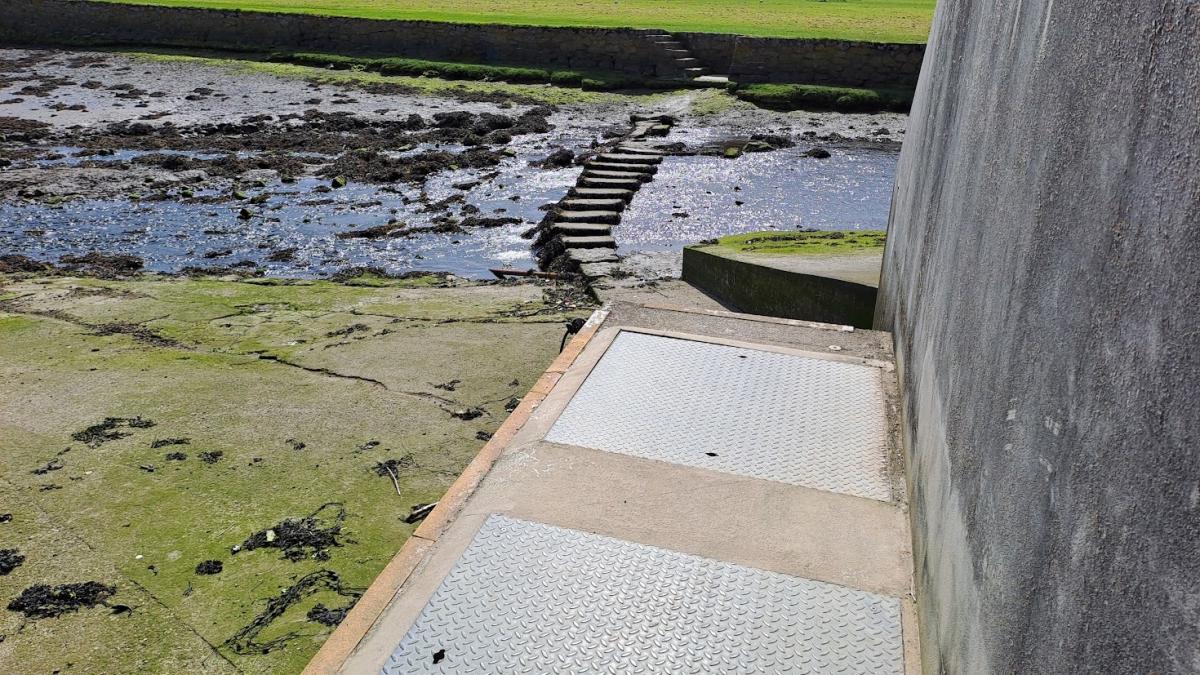
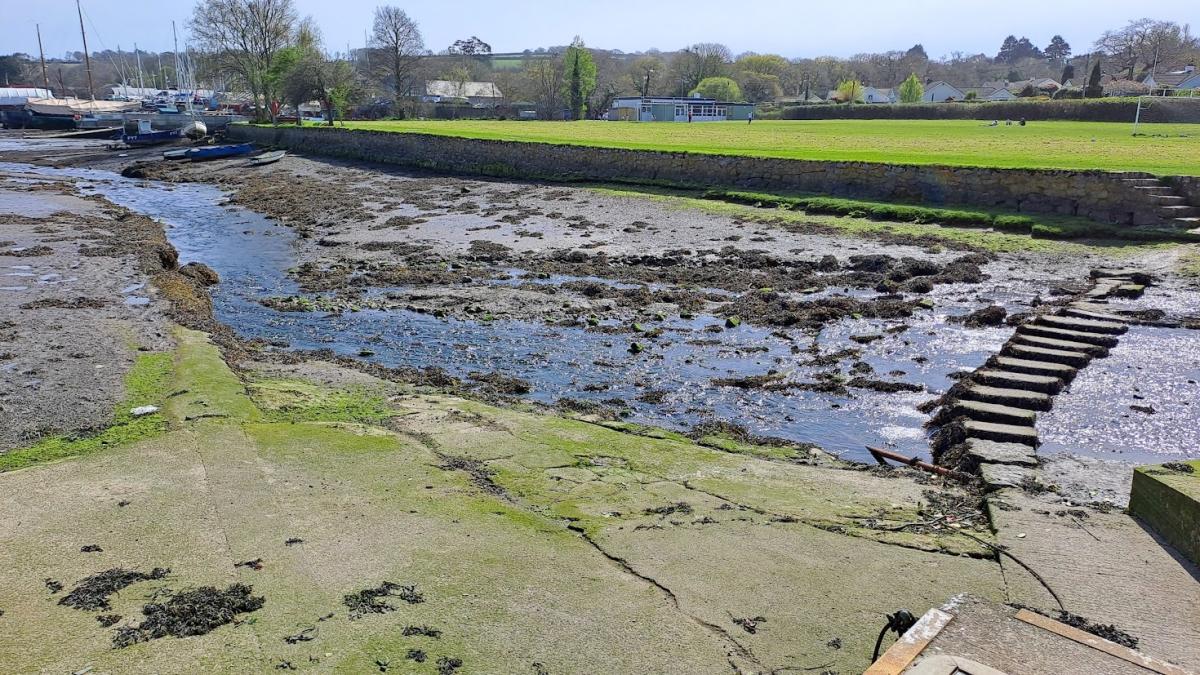
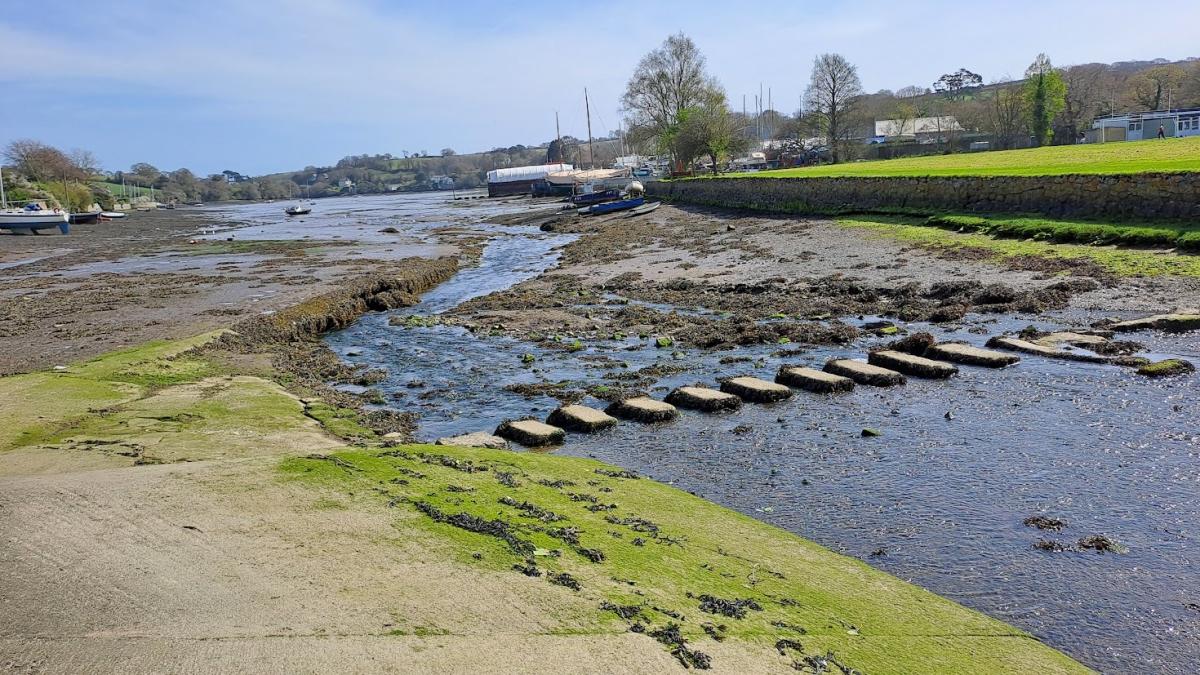
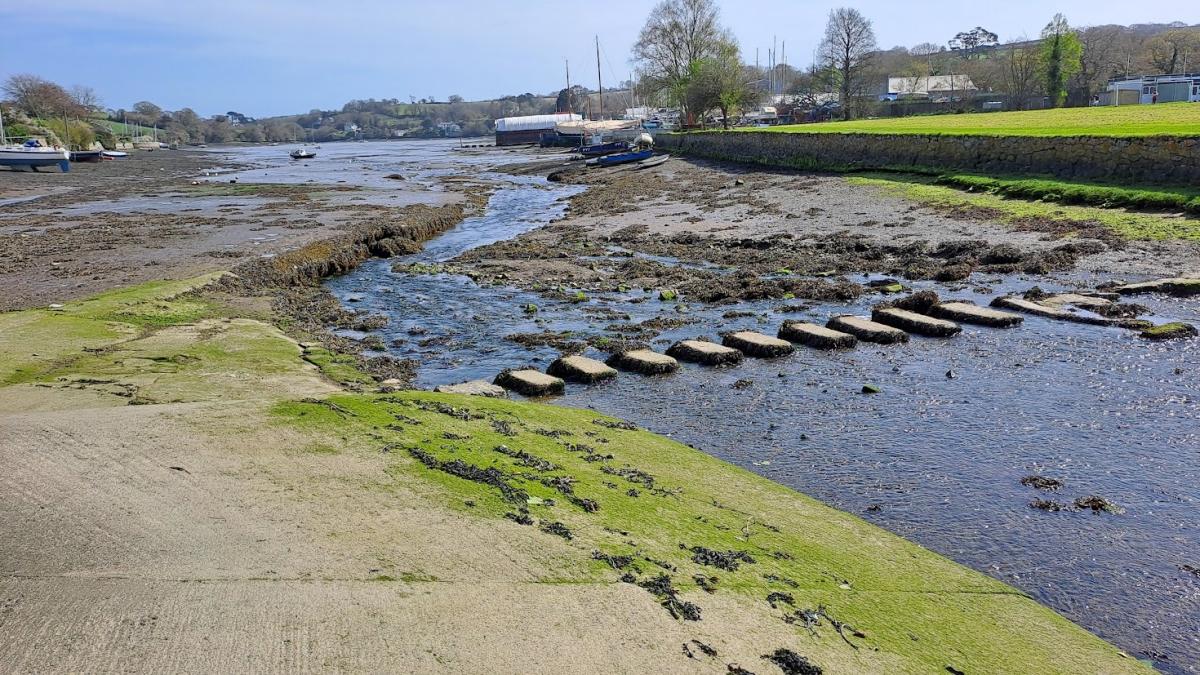
But campaigners say any progress has been undermined by a sharp rise in discharges at what they describe as the creek’s most sensitive point – the stepping stones.
Here there were 38 spills during 2025, nearly double the ten–year average and more than three times the target of only ten discharges a year.
The total time sewage was released at this spot rose by a third on 2024 to 390 hours, more than twice the ten–year average.

Friends of Mylor Creek, which highlighted the figures, said that taken together they mean that for nearly 24 per cent of all the hours in the year – almost one hour in every four – untreated sewage was being released into the Enys Brook or Mylor Creek.
The group said this level of pollution “continues to be completely unacceptable” and called for tougher action to cut spills and protect one of the area’s most valued waterways.
Following the release of the EA figures Richard Price, managing director of Wastewater Services at South West Water, said: “We have continued to reduce storm overflow use despite South West England experiencing 62% more rainfall than the rest of England in 2025. Against that backdrop, we have reduced spills by 17% in the last year, and spill duration is down by 25%.
Read more
Falmouth dock workers take strike action over pay concerns
Update on water firm's work to cut ocean sewage at Falmouth beach
Two teenagers swept out to sea with five rescued on first day of volunteer patrols
"Our focus has been clear - prioritising beaches during the bathing season and targeting our highest spilling sites. We have reduced by 50% the number of sites that spill more than 100 times per year, and our top five spilling sites have reduced spills by 50% following targeted interventions.
"Since last year, more than 8,300 spills have been prevented as a direct result of investment and operational improvements. This forms part of our 15-year plan, backed by around £760 million of investment to 2030.
"We are proud to lead the industry on monitoring and transparency. We measure more spills, more often, with 100% overflow monitoring meaning our data is robust, accurate and fully transparent.
"This work reflects our continued focus on protecting bathing waters - a priority our customers have clearly told us is most important to them. There is more to do, but the direction of travel is clear: fewer spills, shorter duration, and focused investment where it matters most.”


Share