






An environment expert has written an open letter to the decision makers for the proposed Falmouth Docks dredging – warning about the “devastating” risks of stirring up contaminated sediment.
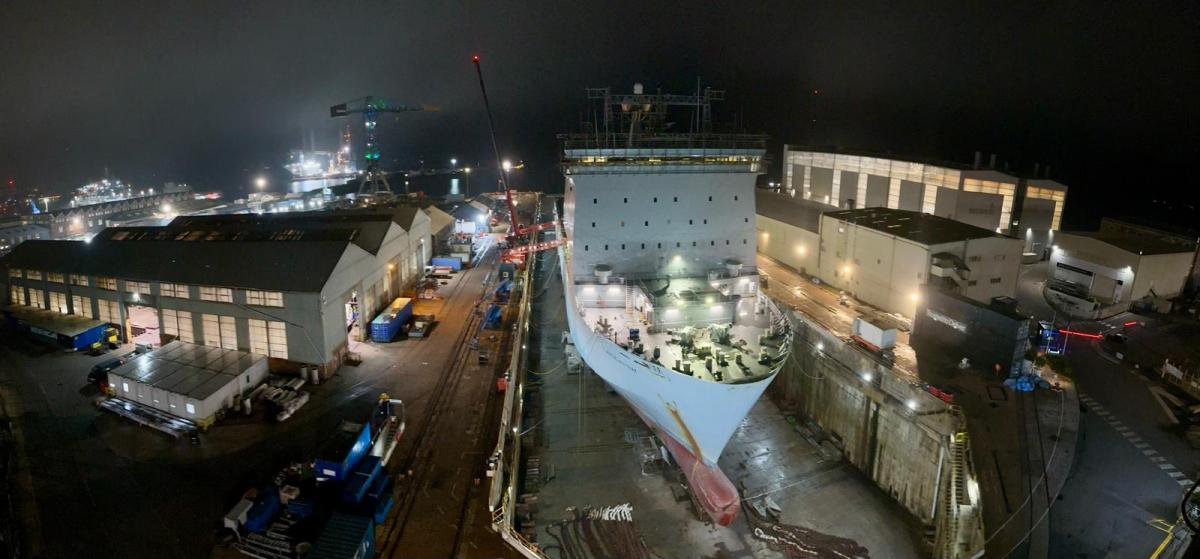
This comes as the works – which would involve digging up 650,000 cubic metres of seabed from around the docks to fit larger ships – heads to the Marine Management Organisation (MMO) for licensing sign-off.
Dr Tim Hughes, Senior Lecturer at the Centre for Environmental Mathematics at Exeter University, pointed out several “shortcomings” in dock owner Balaena’s application.
These include fears that the application underestimates the risk of contaminants – such as toxic chemical Tributyln (TBT) – spreading, and fails to account for factors such as tides and weather spreading this material near protected marine sites.

Dr Hughes’ letter also criticises the proposed monitoring plans as being too vague to prevent harm, and questions why protection measures (including installing ‘silt screens’ around the works) were rejected.
The £150 million docks redevelopment plans would involve digging deeper berths to allow larger ships to dock, including cruise ships up to 345 metres long.
Supporters point towards the prospect of building Floating Offshore Wind (FLOW) infrastructure in the docks, promoting future industries and creating jobs in Falmouth whilst working towards national net-zero targets.
Read next:
-
Fears for Cornwall pubs and restaurants after businessman alleges major fraud
-
Andy Burnham - 'Journalism is a vital part of our national infrastructure'
-
Falmouth shoplifters stole £660 Lego to fund drug habit that 'can only end in death'
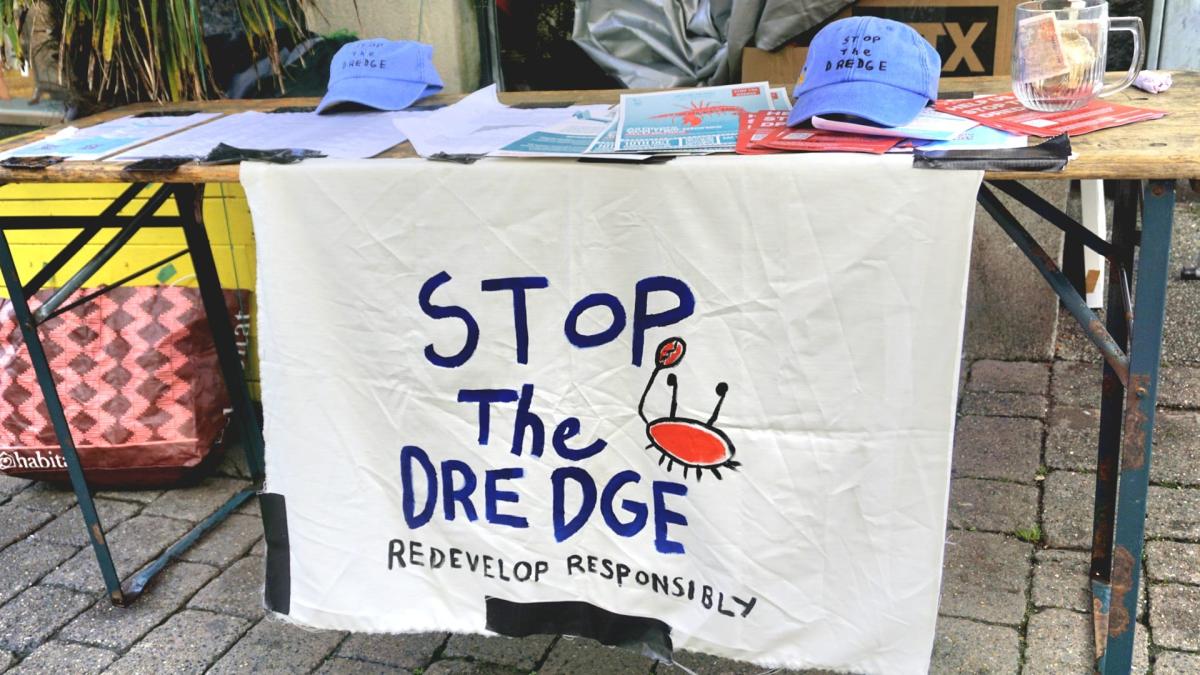
However, fears of toxic sediment being spread in the Fal have sparked opposition from local fishers, residents and businesses, and a petition has reached over 5,000 signatures.
These chemicals, which have been sampled in the mud around the docks, are likely the result of centuries of mining and shipbuilding activities in the area.
Fay Locke, a Stop the Dredge spokeswoman, said: “If the contaminated sediment leaks into the estuary, the impact on the environment, fishing stocks and human health could be devastating.

“The MMO has a statutory duty to make sure that any proposed development does not do significant harm to the marine environment.
“Dr Hughes’ in-depth analysis clearly shows that the environmental statements submitted by the developer are full of serious omissions and highly questionable assumptions."
Ms Locke stressed that environmental law requires submissions to pass a so-called ‘integrity test’.
In the words of the Habitats Directive, this means that there must be ‘no reasonable scientific doubt that the proposal will not have an adverse effect on the integrity of the site’.
“Dr Hughes has shown that the current application falls far short of this, and cannot be used as a sound basis for licensing the project as it is currently proposed,” she added.
“This bears out the real concerns in the community about the dredge’s impact on the marine ecosystem and historic oyster fishery.”

At a public meeting on the redevelopment plans in August, Drystan Jones, director of port development at Balaena, said they had used a trusted environmental modelling company whose software is deployed all over the UK.
“We are on exactly the same page – we do not want any damage to happen.
“These are issues for the regulators to enforce and us to comply with,” he added.
Balaena, as the statutory Harbour Authority for Falmouth Docks, has a legal responsibility to maintain and develop the port's infrastructure while ensuring the safe navigation of vessels serving Cornwall.
The dredging proposals are part of a long-term infrastructure programme designed to strengthen the port's role in marine, FLOW, defence, cargo and tourism sectors.
A Balaena spokesperson said: "The proposed dredging has been subject to a comprehensive Environmental Impact Assessment, which concluded that the works can be undertaken safely and without adverse impacts on the marine environment.
"All dredging activity is strictly regulated by the Marine Management Organisation and will be carried out in accordance with all relevant licence conditions.
"Importantly, the scheme avoids any dredging in the main docks channel or the wider estuary in order to protect the Maerl habitat in the area.
"Any material that is not suitable for disposal at sea will be removed to a licenced facility ashore."
Balaena also stressed that dredging is a routine and essential activity undertaken in ports across the UK to ensure channels and berths remain safe and operational.
The company added: "By modernising essential infrastructure, the project will help ensure the port remains fit for purpose for decades to come, safeguarding skilled jobs, creating apprenticeship opportunities, and supporting businesses across Cornwall and the wider South West, while strengthening Falmouth's strategic contribution to the UK's maritime economy."
The MMO, a non-departmental public body sponsored by the Department for Environment, Food and Rural Affairs (Defra), is responsible for licensing and regulating marine activities in English waters.
This is set to include issuing the marine licence for the proposed dredging at Falmouth Docks (MLA/2025/00157).
Stop the Dredge organisers say that they are not opposed in principle to the modernisation of Falmouth Docks, but are calling for further public consultations to scrutinise the plans.
“Falmouth’s future depends on having a healthy marine environment,” added Ms Locke.



Share